Starting a new relationship can bring excitement and a sense of possibility. At the same time, it can be easy to spend more time with your partner while gradually pushing away your own needs or interests. New relationships are exciting, but it’s important to remember that building a healthy relationship doesn't require you to give up the parts of your life that make you who you are.
Maintaining your independence can help you create a relationship where both people have room to grow. You can build a strong connection while still having your own friends, interests, goals, and sense of identity.
Keep Your Own Interests
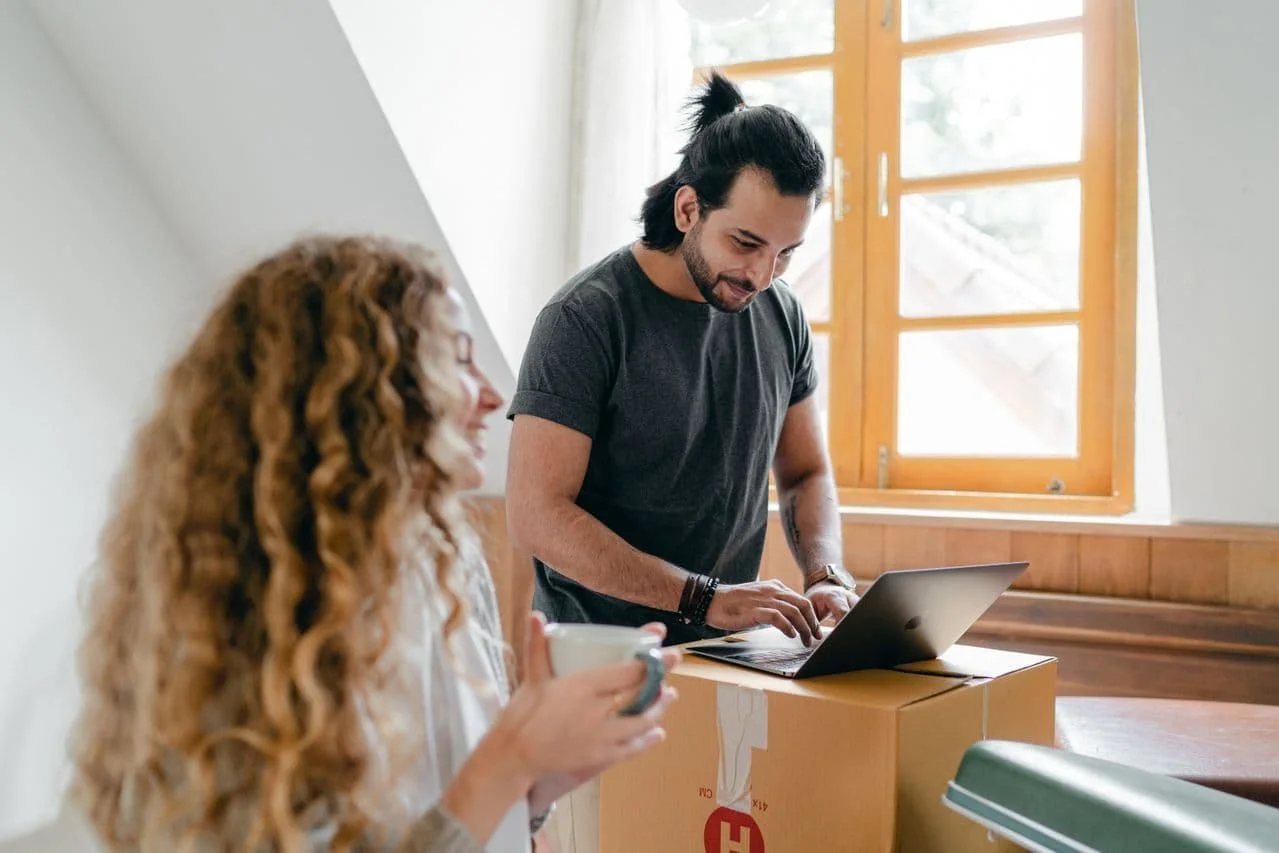
A new relationship can make you want to spend every free moment together. While shared experiences are important, continuing to make time for hobbies and activities you enjoy can help you maintain a sense of individuality.
Keep participating in the activities that bring you fulfillment, even if your partner doesn't share the same interests. You might enjoy working out, reading, spending time outdoors, creating art, or pursuing another hobby that gives you a little bit of time to yourself.
Maintain Your Friendships
Friendships can become less of a priority when you're excited about a new relationship. You may start declining invitations, spending less time with friends, or relying primarily on your partner for emotional support.
Making time for your friendships can strengthen your support system and help you avoid placing all your emotional needs on one person. Your partner can be an important part of your life without becoming your entire social world.
Protect Your Personal Goals
Your individual goals still matter after entering a relationship. You may have career plans, financial goals, educational interests, fitness goals, or personal projects that you want to pursue.
Talk with your partner about those goals and make space for each person to work toward them. Supporting each other's ambitions can create a relationship where both people continue developing as individuals while building a shared life together.
Create Healthy Boundaries
Independence also involves knowing what you're comfortable with and communicating those boundaries clearly. You can decide how much time you want to spend together, how frequently you communicate, and when you need time for yourself.
Healthy boundaries aren't a rejection of your partner. They're a way to communicate your needs and create expectations that support both people. Your relationship can have closeness and personal space at the same time.
Make Room for Connection
Independence doesn't mean keeping your partner at a distance. A healthy relationship includes shared experiences, emotional intimacy, compromise, and a willingness to support each other. The goal is to create a balance where you can enjoy your relationship without losing touch with your own interests, values, friendships, or goals. You should be able to love being with your partner while also being comfortable needing some alone time for yourself.
Building a Relationship That Leaves Room For You
Being in a relationship doesn’t mean losing yourself in it. You should be able to enjoy the closeness of a new partnership while still feeling connected to who you are outside of it. That balance takes communication and a willingness to make room for both partners’ needs, even when those needs differ.
If you’re struggling to maintain your independence in a relationship, therapy can help you explore what makes that difficult. Working through concerns with a therapist can help you communicate more openly and develop a relationship where closeness doesn't come at the expense of your individuality.
You don’t have to choose between loving someone and being yourself. If finding that balance feels difficult, reach out to schedule a relationship counseling session. You deserve a relationship where you can feel connected to your partner without losing sight of yourself.
