Couples Therapy in Columbia, MD
Are you struggling in your relationship?

Are you and your partner having the same arguments over and over?
Do you feel disconnected, like you're living parallel lives instead of sharing one?
Maybe you're struggling to recover after a major betrayal or transition, or perhaps you've just lost that spark and aren't sure how to get it back.
If these questions resonate, you're not alone. Many couples reach a point where professional guidance is needed to navigate the complexities of life together.
Send Us A Message
What Is Couples Therapy?
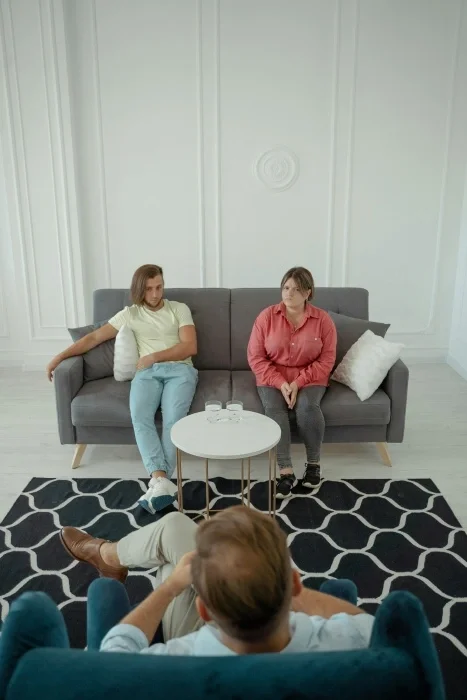
Couples therapy is a form of psychotherapy designed to help partners improve their relationship by addressing relational issues, resolving conflicts, and enhancing their understanding of one another. In therapy, you will learn to identify the negative cycles you get stuck in and develop healthier communication skills. The goal isn't just to stop fighting; it is to foster deeper emotional intimacy, rebuild trust, and create a strong foundation for long-term satisfaction. Whether you are addressing communication breakdowns, navigating infidelity, or adjusting to major life changes like parenthood or career shifts, couples counseling provides a safe, structured space to work through these challenges as a team.
Our trained therapists can provide marriage counseling, same sex couples therapy, intimacy counseling, and couples communication counseling. At any stage of your relationship, you can gain tools and a deeper understanding of yourself and your partner that can help make your relationship a great one. Statistics say that most couples come to couples therapy when it is too late to save a relationship. By seeing couples counseling as a form of preventing a relationship from deteriorating, you can get ahead of difficult problems in your relationship.
How can couples therapy help?

Relationships are a dynamic, complex entity that requires a lot of attention and intentionality. There can be many issues that show up over time in a romantic relationship. Some of the most common problems that clients have when entering couples therapy include communication differences, resentment build up, feeling misunderstood, unheard and criticized, feeling unloved and unappreciated. In order to get needs met in a relationship, individuals can resort to tactics that are not helpful longterm, such as: manipulation, criticism, blaming the other partner, or becoming silent, withdrawn, not discussing issues openly. All of these maladaptive coping mechanisms are harmful for both parties in a relationship.
In couples therapy, you can gain self awareness and recognize when you are employing tactics that are harmful in order to get needs met. You will also learn how to communicate effectively so that you can be heard and understood by your partner. And you will learn how to employ healthy coping skills on your own while also relying on your partner. You and your partner will learn how to become interdependent which means you will both learn how to rely on each other while also learning how to rely on self in a healthy way.
The goal is for your attachment style to become secure and to accept and understand yourself and your partner so that you can create harmony and wellbeing in your relationship.
Therapeutic Approaches for Lasting Change
We utilize evidence-based approaches tailored to meet the unique needs of your relationship. Below is an explanation of highly effective modalities commonly used in our practice:
Emotionally Focused Therapy (EFT): EFT focuses on identifying and changing the negative interaction cycles that keep couples feeling disconnected. It works to create a secure, safe emotional bond by helping partners express deeper, often unmet, emotional needs to one another.
The Gottman Method: Developed by Drs. John and Julie Gottman, this approach is based on decades of research. It provides practical tools to help couples disarm conflict, deepen friendship and intimacy, and create shared meaning.
Narrative Therapy and Solution-Focused Brief Therapy (SFBT): Other modalities, like Narrative Therapy, help couples rewrite their negative relationship story and focus on their strengths. SFBT helps you quickly identify and implement solutions that are already working in your lives.
Cognitive Behavioral Couple Therapy (CBCT): This modality focuses on identifying and changing the specific negative thought patterns and behaviors that contribute to relationship distress. It helps couples develop concrete skills for healthier communication and problem-solving.
Integrative Behavioral Couple Therapy (IBCT): IBCT combines traditional behavioral change techniques with strategies that focus on emotional acceptance. It helps partners understand and accept their differences while still working together to improve their interactions.
Commonly asked questions about couples therapy:
-
The duration of treatment varies for every couple, depending on the severity of the issues and the goals you set. We'll discuss a treatment plan tailored to your needs during your initial sessions. It is possible that we may sometimes suggest individual counseling in addition to couples counseling. Entering treatment for couples counseling is a commitment that we take seriously and we work with you to assure the best possible outcome.
-
The majority of couples counseling sessions are held with both partners together. Individual sessions may be used occasionally to address specific personal issues, but the primary focus is on the relationship system.
-
Couples counseling is offered at a self-pay rate. This is because health insurance requires a mental health diagnosis for one partner to cover sessions. To maintain the focus on the health of the relationship—rather than diagnosing an individual—we do not provide a diagnosis for couples. You can use your Health Savings Account (HSA) or Flexible Spending Account (FSA) cards to pay for sessions.
-
Sometimes ending the relationship is the best course of action and our counselors are here to support you in whatever direction you choose to go in. As couples counselors, we do not influence the direction of your relationship, we obviously want your relationship to improve and that is our common goal when you begin couples therapy. However, during the course of therapy it is possible that your goals may change and although we will do our best to help your relationship succeed, we are also here to support you through uncoupling if that is a mutual decision. We will tailor our treatment to the desired goals that you have as a couple.

Ready to Invest in Your Relationship?
Taking the first step toward couples counseling is an act of hope and commitment to a healthier future together. Your relationship deserves focused attention and professional support. Don't wait until conflict has created a permanent distance.
Schedule your initial consultation today to begin transforming your interactions and rediscovering the connection you both desire. You can call us directly or click the link below to view our availability.
Meet the Team
-
![Georgiana Avram]()
Georgiana Avram
LCPC-S, LMHC
LICENSED CLINICAL PROFESSIONAL COUNSELOR -
![Brianna Yarborough]()
Brianna Yarborough
LCPC, NCC
LICENSED CLINICAL PROFESSIONAL COUNSELOR -
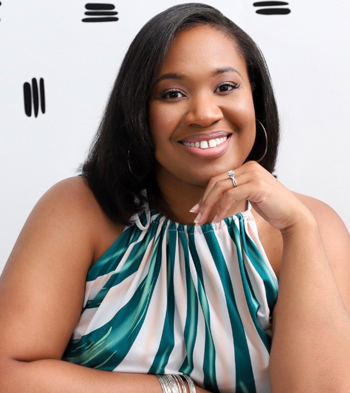
![A woman with dark hair and a gentle smile, wearing a patterned blouse, in a room with pink walls and art.]()
Danielle Norkin
LGPC
LICENSED GRADUATE PROFESSIONAL COUNSELOR -
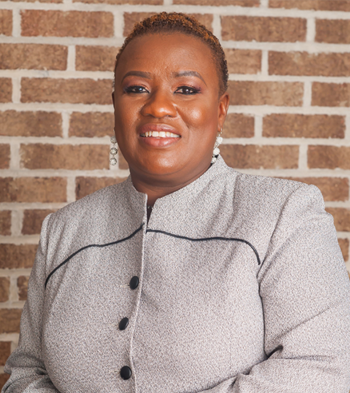
![Portrait of a woman with short hair, wearing a gray suit, smiling in front of a brick wall.]()
Toyin Fasosin
LCPC, NCC, LICENSED CLINICAL PROFESSIONAL COUNSELOR
-
![A headshot of Nell Winer, smiling in front of greenery.]()
Nell Winer
LCPC
LICENSED CLINICAL PROFESSIONAL COUNSELOR -
![A headshot of Aysha Wells, smiling.]()
Aysha Wells
LGPC
LICENSED GRADUATE PROFESSIONAL COUNSELOR -
![A headshot of Anna Zippelli, smiling.]()
Anna Zippelli
LGPC
LICENSED GRADUATE PROFESSIONAL COUNSELOR -
![A headshot of Nicole Byrd, smiling.]()
Nicole Byrd
LGPC
LICENSED GRADUATE PROFESSIONAL COUNSELOR -
![A headshot of Katie Pitts, smiling.]()
Katie Pitts
LCPC
LICENSED CLINICAL PROFESSIONAL COUNSELOR -
![A headshot of Diamon Johnson, smiling.]()
Diamond Johnson
LGPC
LICENSED GRADUATE PROFESSIONAL COUNSELOR -
![A headshot of Terrace Blake, smiling.]()
Terrace Blake
LGPC
LICENSED GRADUATE PROFESSIONAL COUNSELOR -
![A headshot of Foram Pare, smiling.]()
Foram Pare
LGPC
LICENSED GRADUATE PROFESSIONAL COUNSELOR -
![A headshot of Roxanne Phan, smiling.]()
Roxanne Phan
LGPC
LICENSED GRADUATE PROFESSIONAL COUNSELOR -
![A headshot of Jenny Dees, smiling.]()
Jenny Dees
LGPC, NCC
LICENSED GRADUATE PROFESSIONAL COUNSELOR -
![Headshot of Kelly Townsend]()
Kelly Townsend
LGPC
LICENSED GRADUATE PROFESSIONAL COUNSELOR -
![Headshot of Kevin O'Farrell]()
Kevin O'Farrell
LGPC
LICENSED GRADUATE PROFESSIONAL COUNSELOR